The Rising Cost of Eggs in Upstate NY: Why Are Prices Reaching $8

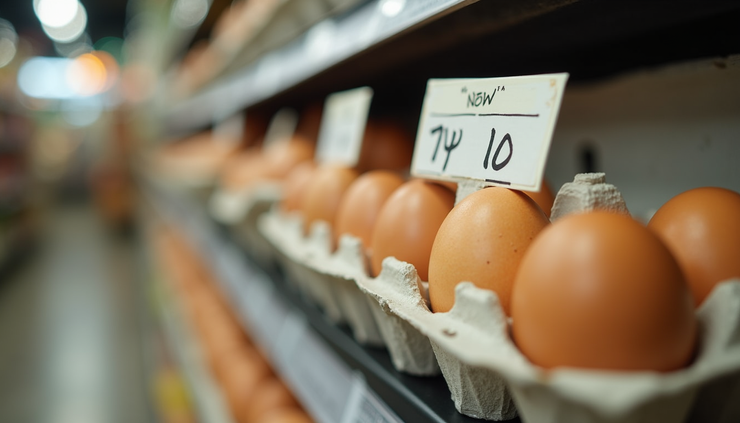
Eggs have long been a staple in kitchens across Upstate New York, valued for their versatility and affordability. Recently, shoppers have noticed a sharp increase in egg prices, with some cartons now costing as much as $8. This sudden jump raises questions about what is driving these higher costs and what it means for consumers and local producers alike.
Factors Behind the Price Increase
Several key factors contribute to the rising price of eggs in Upstate New York. Understanding these can help consumers make sense of the current market situation.
Supply Chain Disruptions
The egg supply chain has faced multiple challenges in recent years. Transportation delays, labor shortages, and increased fuel costs have all added to the expenses producers and retailers face. For example, trucking costs have risen significantly, making it more expensive to move eggs from farms to stores.
Feed Costs for Hens
Feed represents the largest expense for egg farmers. Corn and soybean prices, the main ingredients in poultry feed, have surged due to weather issues and global demand. When feed costs rise, farmers must increase egg prices to maintain profitability.
Impact of Avian Influenza
Outbreaks of avian influenza have led to the culling of millions of hens nationwide, including in New York. This reduction in the hen population lowers egg production, tightening supply and pushing prices upward.
Increased Demand for Specialty Eggs
Consumers increasingly seek organic, free-range, or cage-free eggs, which cost more to produce. These specialty eggs often command higher prices, influencing the overall market. In Upstate New York, many local farms focus on these premium options, which can contribute to the $8 price point.
How This Affects Consumers
The jump to $8 per dozen is a significant change for many households. Eggs are a common ingredient in everyday meals, so price increases can impact grocery budgets.
Budget adjustments: Families may need to allocate more money for groceries or reduce egg consumption.
Shift to alternatives: Some consumers might turn to egg substitutes or other protein sources.
Buying habits: Shoppers could start buying in bulk or choosing less expensive egg brands.
What Local Farmers Are Saying
Local farmers in Upstate New York face a balancing act. They want to keep prices fair for customers but must cover rising costs.
One farmer shared that feed expenses have increased by nearly 30% over the past year. They also noted that maintaining humane and sustainable farming practices adds to costs but remains a priority.
Farmers hope that consumers understand the reasons behind the price hikes and continue supporting local agriculture.

Tips for Consumers Facing Higher Egg Prices
Even with rising costs, there are ways to manage egg expenses without sacrificing quality or nutrition.
Buy local when possible: Local farms sometimes offer better prices and fresher eggs.
Look for sales and discounts: Grocery stores often run promotions on eggs.
Consider different egg sizes: Smaller eggs usually cost less per dozen.
Use eggs efficiently: Plan meals to use eggs fully and avoid waste.
Try alternative protein sources: Beans, lentils, and dairy can supplement protein intake.
The Future of Egg Prices in Upstate New York
Egg prices may continue to fluctuate as supply chain issues and feed costs evolve. However, some trends could help stabilize or reduce prices over time.
Improved farming technology: Advances in feed efficiency and hen health could lower production costs.
Expanded local production: More farms in Upstate New York might increase supply and competition.
Consumer education: Understanding the value of specialty eggs can help shoppers make informed choices.


Comments