The Beauty and Fury of Afternoon Thunderstorms

Afternoon thunderstorms are a common yet powerful weather event that captures the attention of many. They bring a mix of awe and caution, combining nature’s beauty with its raw energy. These storms often arrive suddenly, transforming a calm day into a dramatic scene filled with thunder, lightning, and heavy rain. Understanding what causes afternoon thunderstorms and how they develop can deepen our appreciation for these natural phenomena and help us stay safe when they occur.
How Afternoon Thunderstorms Form
Afternoon thunderstorms usually develop during the warmest part of the day. The sun heats the earth’s surface, causing the air near the ground to warm up and rise. This rising warm air carries moisture upward, where it cools and condenses into clouds. When the conditions are right, these clouds grow tall and dense, forming cumulonimbus clouds, which are the hallmark of thunderstorms.
Several factors contribute to the formation of afternoon thunderstorms:
Heat and moisture: Warm, moist air near the surface fuels the storm’s growth.
Instability in the atmosphere: When the air cools rapidly with height, it encourages strong upward movement.
Trigger mechanisms: These can include fronts, sea breezes, or mountains that push air upward.
The combination of these elements creates the perfect environment for a thunderstorm to develop, often peaking in the afternoon when the sun’s heating is strongest.
The Visual and Auditory Spectacle
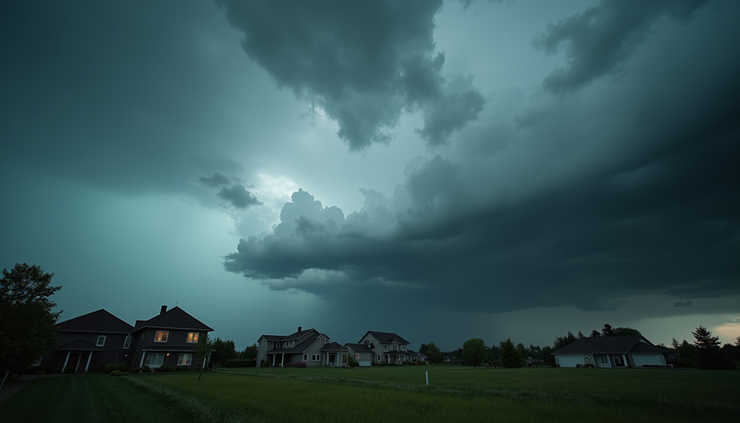
Afternoon thunderstorms offer a dramatic display of nature’s power. The towering clouds often appear dark and imposing, sometimes with an anvil-shaped top spreading across the sky. Lightning flashes illuminate the clouds, creating brief but intense bursts of light. The sound of thunder follows, ranging from distant rumbles to loud cracks that shake windows.
The rain can start as a light drizzle and quickly turn into a heavy downpour. In some cases, hail may fall, adding to the storm’s intensity. The wind often picks up, bending trees and sending leaves swirling through the air.
This spectacle can be mesmerizing to watch, especially from a safe location indoors or under shelter. Photographers and storm watchers often seek out these moments to capture the unique patterns of lightning and the shifting shapes of clouds.
The Impact on Daily Life
Afternoon thunderstorms can disrupt outdoor activities and travel plans. Sudden heavy rain can reduce visibility on roads, making driving hazardous. Lightning poses a risk to people caught outside, especially in open areas or near tall objects. Strong winds can cause damage to trees, power lines, and structures.
Despite these challenges, thunderstorms also bring benefits. They help cool the air after a hot day and provide much-needed rain for plants and crops. In some regions, afternoon storms are a regular part of the climate cycle, supporting local ecosystems.
Here are some practical tips to stay safe during an afternoon thunderstorm:
Seek shelter indoors or inside a vehicle.
Avoid using electrical appliances and plumbing.
Stay away from tall objects and open fields.
Monitor weather updates for warnings or alerts.

Appreciating the Science Behind the Storm
Understanding the science behind afternoon thunderstorms can enhance our respect for these events. Meteorologists use radar and satellite technology to track storm development and movement. This information helps predict when and where storms will occur, allowing people to prepare.
Thunderstorms also play a role in the earth’s water cycle. They transport water from the surface to the atmosphere and back again, maintaining balance in the environment. The electrical activity in storms contributes to the formation of nitrogen compounds that fertilize soil.
For those interested in weather phenomena, afternoon thunderstorms offer a chance to observe natural processes in action. Watching how clouds build, how lightning forms, and how rain falls can be both educational and inspiring.
Finding Calm After the Storm
After the storm passes, the air often feels fresher and cooler. The sky may clear quickly, revealing bright sunlight or even a rainbow. This calm period allows people to reflect on the storm’s power and the changes it brought.
Gardens and fields benefit from the rain, and the earth absorbs the moisture for days to come. The contrast between the storm’s fury and the peaceful aftermath highlights the balance in nature.


Comments