ABC News Controversially Bans Coverage on New York State Trump Issues

The decision by ABC News to ban coverage related to Donald Trump’s activities and controversies in New York State has sparked intense debate across media circles and among the public. This move raises questions about journalistic responsibility, media bias, and the role of news organizations in shaping public discourse. Understanding the implications of this ban requires a closer look at the reasons behind it, the reactions it has generated, and what it means for news consumers.

Why ABC News Banned Coverage on New York State Trump Issues
ABC News reportedly decided to restrict its reporters from covering any news related to Donald Trump’s legal and political matters specifically tied to New York State. This includes investigations, lawsuits, and political developments involving the former president within that jurisdiction. The official reasoning cited by some insiders points to concerns about maintaining editorial neutrality and avoiding potential legal risks.
However, critics argue that this ban reflects a form of censorship that undermines the public’s right to be informed about significant political and legal events. The Trump-related issues in New York have been central to ongoing national conversations, including investigations into financial practices and election-related matters. By limiting coverage, ABC News may be seen as shielding a high-profile figure from scrutiny or selectively controlling the narrative.
Reactions from Media Experts and the Public
The ban has drawn sharp criticism from media watchdogs, political analysts, and viewers alike. Many see it as a dangerous precedent that could encourage other news outlets to impose similar restrictions, thereby narrowing the scope of political reporting. Some experts warn that such editorial decisions can erode trust in mainstream media, especially when they appear to protect certain individuals or groups.
On the other hand, some defenders of the ban argue that news organizations must carefully navigate legal complexities and avoid sensationalism. They suggest that focusing on verified facts and avoiding potentially biased or inflammatory coverage can help maintain journalistic integrity. Still, this perspective does not fully address concerns about transparency and accountability.
Impact on News Coverage and Public Awareness
Limiting coverage on Trump’s New York State issues affects how the public perceives ongoing political and legal developments. News consumers rely on comprehensive reporting to form opinions and make informed decisions. When a major network like ABC News restricts certain topics, it creates gaps in the information landscape.
This ban also highlights the broader challenge of media fragmentation, where different outlets may present vastly different versions of reality. For example, while ABC News restricts coverage, other networks or independent media may continue reporting extensively on these matters. This divergence can deepen political polarization and confusion among audiences.

What This Means for Journalistic Ethics and Responsibility
Journalistic ethics emphasize the importance of truth, fairness, and serving the public interest. When a news organization bans coverage on a politically sensitive topic, it must balance these principles against potential risks such as legal liability or accusations of bias.
ABC News’s decision raises questions about whether such a ban aligns with these ethical standards. Transparency about editorial policies and clear communication with audiences are crucial to maintaining credibility. News outlets must also consider the consequences of limiting information on democratic processes and accountability.
How Viewers Can Navigate Media Bias and Censorship
In an era of increasing media polarization, viewers need strategies to critically assess the news they consume. Here are some practical tips:
Diversify sources: Follow multiple news outlets with different editorial perspectives to get a fuller picture.
Check facts: Use fact-checking websites to verify claims and avoid misinformation.
Be aware of editorial policies: Understand that some networks may have restrictions or biases affecting their coverage.
Engage in discussions: Talk with others to explore different viewpoints and challenge assumptions.
By staying informed and critical, audiences can better navigate the complex media environment shaped by decisions like ABC News’s ban.
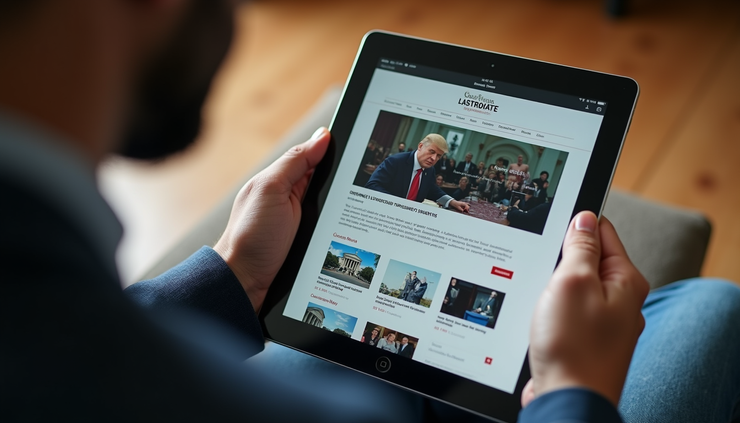
The ban on coverage of New York State Trump issues by ABC News highlights the tension between editorial control and the public’s right to know. It serves as a reminder that media consumers must remain vigilant and seek diverse perspectives to understand important political developments fully. As the media landscape continues to evolve, transparency and accountability in journalism remain essential to a healthy democracy.


Comments