Amazon Warehouse Coming Soon to Rome NY What Locals Need to Know

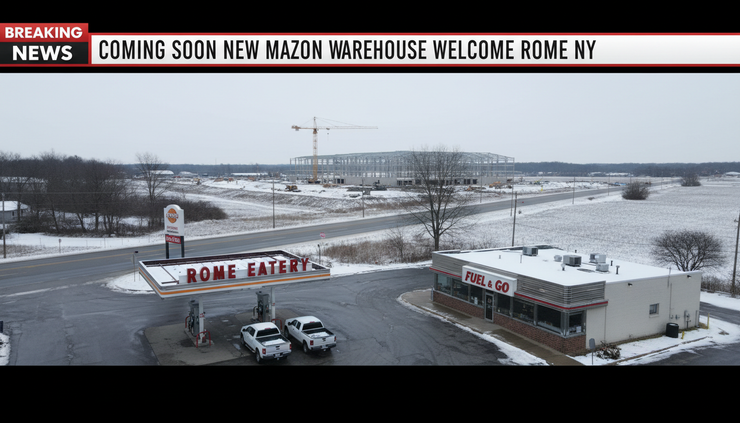
A new Amazon warehouse is coming to Rome, NY, bringing fresh attention to jobs, traffic, construction, and the city’s growing role in Central New York logistics.
The project matters because warehouse and delivery operations can affect daily life well before the first package moves through the building. Local roads may see construction vehicles. Job seekers may begin watching for openings. Nearby businesses may prepare for new workers and more daytime activity. City and county officials may also face questions about infrastructure, land use, and public services.
Key details, including the exact opening date, final staffing numbers, and the specific type of Amazon facility, have not been publicly detailed in the information available for this report. That leaves residents with one clear task: understand what a project like this usually brings, what remains unconfirmed, and what local signs to watch next.

What is known so far
Amazon is expected to add a warehouse operation in Rome, a city already positioned near major transportation routes in Oneida County. For a company built around sorting, storing, and moving packages, location matters.
Rome sits within reach of several Central New York markets. It has highway access, available industrial areas, and a regional workforce that already supports manufacturing, logistics, health care, education, construction, and service jobs.
The phrase “Amazon warehouse” can mean several different things. Amazon uses different building types across its delivery network, and each one operates differently.
Common facility types include:
Fulfillment center
A larger building where customer orders are stored, picked, packed, and shipped.
Sortation center
A facility where packages are sorted by route or destination before moving to another stop.
Delivery station
A last-mile facility where packages are prepared for local delivery routes.
XL or specialty facility
A site designed for larger products, bulky goods, or specific delivery needs.
Until Amazon or local officials release more detail, it is too early to say which model Rome will get. That distinction matters. A large fulfillment center can bring different staffing levels, truck traffic, and operating hours than a smaller delivery station.
For now, the confirmed local takeaway is broader: Rome is preparing for a new Amazon logistics presence, and that has raised practical questions across the city.
Why Rome makes sense for a warehouse project
Rome has long had assets that appeal to employers needing space, road access, and room to grow. The city is not a suburb of a large metro area, but it sits in a region with connections to Utica, Syracuse, the Mohawk Valley, and the wider upstate corridor.
For a warehouse operator, several local factors can matter.
Rome has industrial land and a history of large-site redevelopment. The city and surrounding Oneida County have spent years shaping former industrial and military-related areas for new uses. That kind of land can be attractive when a company needs room for a large building, parking, truck movement, stormwater systems, and future expansion.
The area also has a workforce used to shift work, technical work, and transportation-linked jobs. A warehouse does not only need package handlers. Depending on the facility, it may need maintenance technicians, drivers, safety staff, operations supervisors, trainers, human resources staff, and seasonal workers.
Regional road access is another factor. Warehouse operations depend on predictable routes. A site in Rome can connect to local roads that feed toward the Thruway corridor, nearby communities, and distribution points across Central New York.
None of that means every warehouse project is simple. Large buildings bring land-use questions. Trucks bring noise and road wear. Hiring brings both opportunity and competition for other local employers. That is why the next rounds of public information will matter.
Jobs will be the first question for many households
For many residents, the biggest question is straightforward: how many jobs will the Amazon warehouse bring?
That number has not been confirmed in the information available here. Staffing will depend on the facility type, building size, operating schedule, and whether Amazon uses full-time, part-time, seasonal, or contracted roles at the site.
Still, warehouse openings of this kind often create several categories of work.
Possible roles may include:
Warehouse associates who scan, sort, stow, pick, pack, or stage packages
Transportation and yard workers who help move trailers and coordinate loading areas
Maintenance workers who handle conveyors, dock equipment, batteries, and building systems
Safety and training staff who support daily operations
Managers and team leads who oversee shifts
Seasonal staff during peak shipping periods
A new Amazon warehouse in Rome would likely draw interest from job seekers in Rome, Utica, Lee, Marcy, Camden, Verona, and other nearby communities. It could also compete with existing employers for workers, especially if hiring begins quickly or wages are higher than some local jobs.
The details that matter most for local job seekers include:
Starting pay
Shift options
Full-time and part-time availability
Benefits eligibility
Seasonal hiring timelines
Transportation access
Physical job requirements
Application process
Amazon typically posts jobs through its own hiring channels when roles become available. Local workforce agencies may also share hiring updates if the project moves into a recruitment phase.
Residents should be cautious about unofficial job posts, especially those asking for fees, personal banking details, or early deposits. Real hiring should not require payment to apply.

Traffic and road impacts will depend on the facility type
Traffic is one of the most visible changes that can come with a warehouse project.
Construction traffic usually comes first. That may include dump trucks, concrete trucks, utility crews, paving crews, delivery vehicles, and workers arriving in personal vehicles. These impacts often change by phase. Site clearing, foundation work, steel delivery, paving, and interior build-out can each create different traffic patterns.
Once the facility opens, traffic depends on what the building does.
A delivery station may see waves of vans leaving in the morning and returning later in the day. A sortation operation may have truck activity tied to regional package movement. A fulfillment center may operate across multiple shifts, with employee traffic at shift changes and truck traffic throughout the day.
Local residents will want to watch for several road-related details if they appear in planning documents or public meetings:
Primary entrance and exit locations
Truck routes
Employee parking plans
Traffic studies
Road improvements
Turning lanes or signal changes
Sidewalk or pedestrian access near the site
Winter maintenance responsibilities
Noise controls near nearby homes
Rome’s winter weather adds another layer. Snow, plowing, visibility, and icy road conditions can affect truck operations and employee commutes. A facility that runs early mornings, late nights, or overnight shifts must plan around that reality.
If truck routes are published, they will be worth reviewing carefully. The practical question is not just whether traffic increases, but where it increases and at what time of day.
What nearby businesses may see
A large warehouse can change the rhythm of nearby commercial areas.
Restaurants, gas stations, convenience stores, auto service shops, coffee spots, and quick-service businesses may see more customers during shift changes. If workers come from outside Rome, some may stop locally before or after work. Construction crews may also bring a short-term bump before the facility opens.
That effect is not guaranteed for every business. It depends on the site location, shift schedule, worker transportation habits, and the type of businesses nearby. A site far from retail corridors may have a smaller daily impact than one near existing stores and food options.
Local contractors may also look for opportunities during construction or facility maintenance. Large projects often involve specialized teams, but local companies can sometimes compete for site work, snow removal, landscaping, security-related services, waste handling, food service, equipment service, or building support.
Small businesses should avoid assuming automatic gains. A more useful approach is to watch the timeline and adjust when details become clearer.
Possible local business preparations include:
Reviewing staffing needs during likely shift-change periods
Extending limited hours only if demand appears
Preparing quick lunch or grab-and-go options
Watching for construction crew demand
Keeping vendor and service capabilities ready if bidding opens
For Rome, the larger question is whether the warehouse becomes an isolated employer or part of a wider industrial growth pattern.
Housing and commuting could become part of the conversation
A single warehouse does not transform a housing market by itself. Still, new employment can add pressure in specific areas, especially when jobs come online quickly.
If the facility hires mostly from within Rome and nearby communities, housing effects may remain limited. If it draws workers from farther away or brings managers and technical staff into the region, demand for apartments and rentals could rise in pockets.
Commuting will also matter. Not every worker will own a car. Warehouse jobs often include early morning, evening, overnight, and weekend shifts. Public transportation access, ride-share availability, bike safety, and parking may become practical concerns.
Questions for the next stage include:
Will the site be reachable without a personal vehicle?
Will shift times match any existing transit service?
Will the employer offer commuter support?
Are nearby roads safe for pedestrians or cyclists?
Will the workforce mostly be local or regional?
These details rarely get as much attention as job counts, but they shape who can actually work at a site.
Taxes, incentives, and public costs will draw scrutiny
Large warehouse projects often lead to questions about public incentives, tax agreements, road upgrades, utility work, and long-term fiscal impact.
No specific incentive package is detailed in the information available for this report. If any public assistance is involved, residents will likely look for records from local government bodies, economic development agencies, or industrial development authorities.
Common items in warehouse-related public discussions include:
Property tax agreements
Sales tax exemptions on construction materials
Mortgage recording tax exemptions
Road or utility upgrades
Sewer and water capacity
Stormwater management
Emergency service needs
Long-term assessed value
The key public question is simple: what does the community receive, and what does it provide?
A warehouse can add property value, construction activity, and jobs. It can also create costs tied to road wear, traffic management, police and fire response planning, and infrastructure upkeep. The balance depends on the final agreement and the details of the site.
Public records, meeting agendas, and planning documents will be the clearest sources for those details. Residents should look for project names, site plan applications, environmental reviews, traffic studies, and any financial assistance resolutions.
Environmental and site planning questions will matter
Warehouse projects involve more than a building shell. They also require grading, drainage, paving, lighting, access roads, parking, loading areas, and stormwater controls.
Rome’s climate and land conditions make planning details important. Heavy rain, snowmelt, and winter freeze-thaw cycles can affect drainage and pavement. Large paved areas can increase runoff if not managed well.
Environmental review questions may include:
How stormwater will be collected and treated
Whether wetlands or sensitive areas are nearby
How lighting will affect surrounding properties
How noise will be managed
How snow storage will work
Where trucks will idle or queue
Whether electric vehicle charging is planned
How landscaping or buffers will screen the site
Lighting deserves close attention near homes or rural roads. Modern warehouse sites often use large parking lots, security lighting, and loading-area lighting. Good design can reduce spillover while keeping the site safe.
Noise can also vary. Back-up alarms, truck brakes, loading docks, rooftop equipment, and overnight activity may affect nearby areas differently than daytime traffic.
These issues are normally addressed through site plan review, permit conditions, and operational rules. The final impact depends on the site layout and how strongly those conditions are written and enforced.
The project could signal more logistics interest in the Mohawk Valley
Amazon’s arrival would not happen in a vacuum. Central New York and the Mohawk Valley have seen growing attention from employers looking for space outside larger metro areas, while still staying connected to regional transportation networks.
Rome has been working for years to define its post-industrial economy. A warehouse project adds one more piece to that picture. It may not carry the same identity as high-tech development, defense-related work, or advanced manufacturing, but logistics is part of the modern economy.
For local officials, the challenge is balance.
A warehouse can bring jobs and new activity. It can also consume large tracts of land that might serve other industrial uses. It can raise expectations for more development nearby. It can also affect how residents view growth, especially if traffic or noise becomes part of daily life.
The stronger outcome for Rome would be a project that fits within a broader plan, with clear roads, clear hiring information, fair public terms, and open communication.
That will depend on what happens next.
What residents should watch next
The next phase will likely bring more practical answers. The most useful information will come from official sources, public filings, and direct company announcements.
Local residents should watch for:
A confirmed facility type
This will explain whether the site is a fulfillment center, sortation center, delivery station, or another operation.
An opening timeline
Construction milestones and a projected launch date will help residents and job seekers plan.
Hiring announcements
Job postings will clarify pay, shifts, benefits, and application steps.
Traffic plans
Truck routes, signal changes, road improvements, and construction detours will matter to nearby neighborhoods.
Public meeting records
Planning board agendas, city notices, and county economic development documents may show site details before broader announcements.
Tax or incentive agreements
Any public support should be reviewed in writing, including job commitments and local benefits.
Emergency service planning
Large buildings often require coordination with fire, police, EMS, and code enforcement teams.
For job seekers, the safest move is to wait for official hiring channels before entering personal information. For nearby residents, the most useful step is to follow meeting agendas and ask specific questions about roads, hours, noise, lighting, and drainage.
What remains unconfirmed
Several high-interest details remain unclear from the information available for this report.
Those include:
The exact address or parcel
The building size
The total number of jobs
The opening date
The construction schedule
The truck route plan
The facility type
Any public incentive package
Any road or utility upgrades tied to the project
That lack of detail does not mean the project is unlikely. It means public understanding is still catching up to the announcement and development process.
In the meantime, residents should be careful with rumors. Warehouse projects often generate fast-moving claims about wages, taxes, traffic, and opening dates. Some turn out to be accurate. Others change as plans move through permitting and construction.
The best information will come from official releases, public documents, and direct hiring notices.

The bottom line for Rome
The Amazon warehouse coming soon to Rome, NY, is a major local development because it touches several parts of daily life at once: work, traffic, land use, public costs, and nearby business activity.
The project’s real impact will depend on details that still need to be confirmed. A delivery station, sortation center, and fulfillment center can each mean different job counts, schedules, truck volumes, and neighborhood effects.
For now, the most practical takeaway is to watch the next public steps closely. Rome residents will need clear answers on hiring, roads, taxes, site design, and the opening timeline. The warehouse may bring new opportunity, but the details will decide how well it fits into the city.


Comments